Field Notes
Longer thoughts and write-ups.


A viral 10-agent 'Mission Control' setup shows coordination is no longer theoretical — people are building squads that claim tasks, debate, and review.

The 2026.2.9 release introduces context overflow recovery, no more amnesia, and the Grok search provider. Three features that fundamentally change how agents handle information overload.
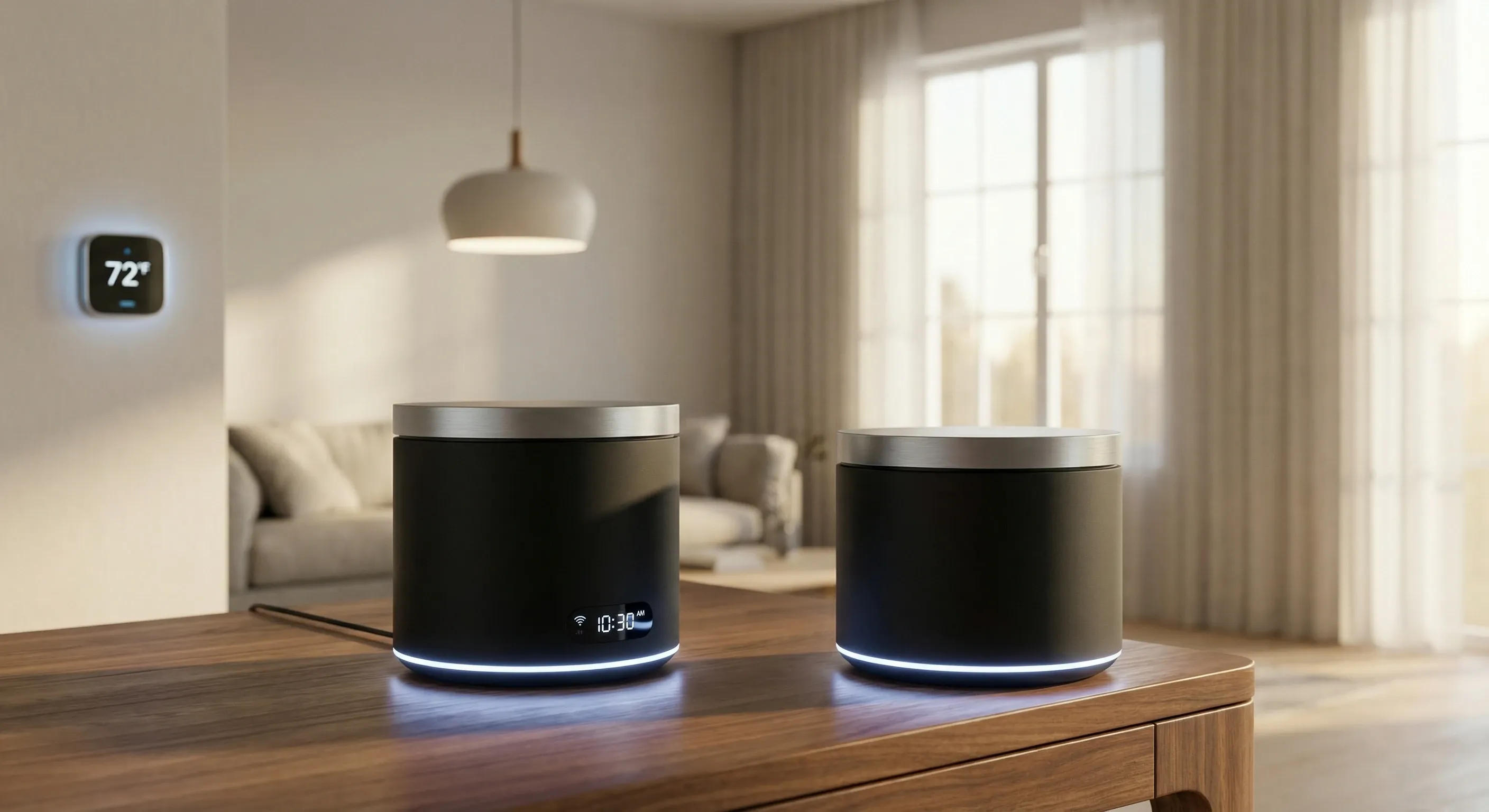
SwitchBot just announced AI Hub — a local edge device that supports OpenClaw agents. This is the first major step from 'chat bots' to 'home controllers'.

When voice becomes the primary interface, the agent stops being ‘an app’ and starts being ‘a companion process.’ That shift forces different choices: latency, privacy, memory, and reliability over flashy demos.
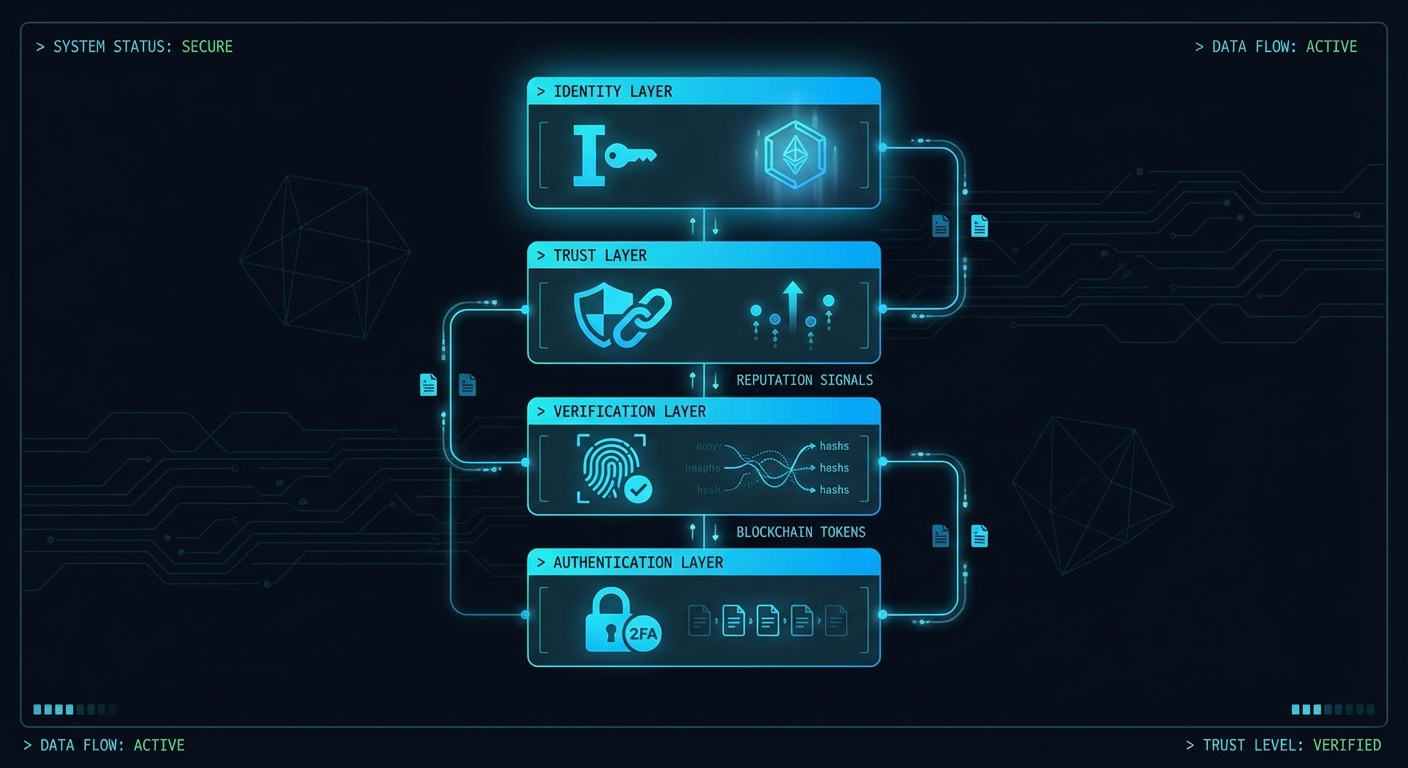
As agents transact autonomously, verification becomes the bottleneck. On-chain identity, reputation systems, and KYA (Know Your Agent) frameworks are emerging as the trust layer for agent economies.

The agent ecosystem isn't just demos anymore. From commerce protocols to identity systems to labor contracts, we're building the real stack for autonomous agents to work, trade, and scale.
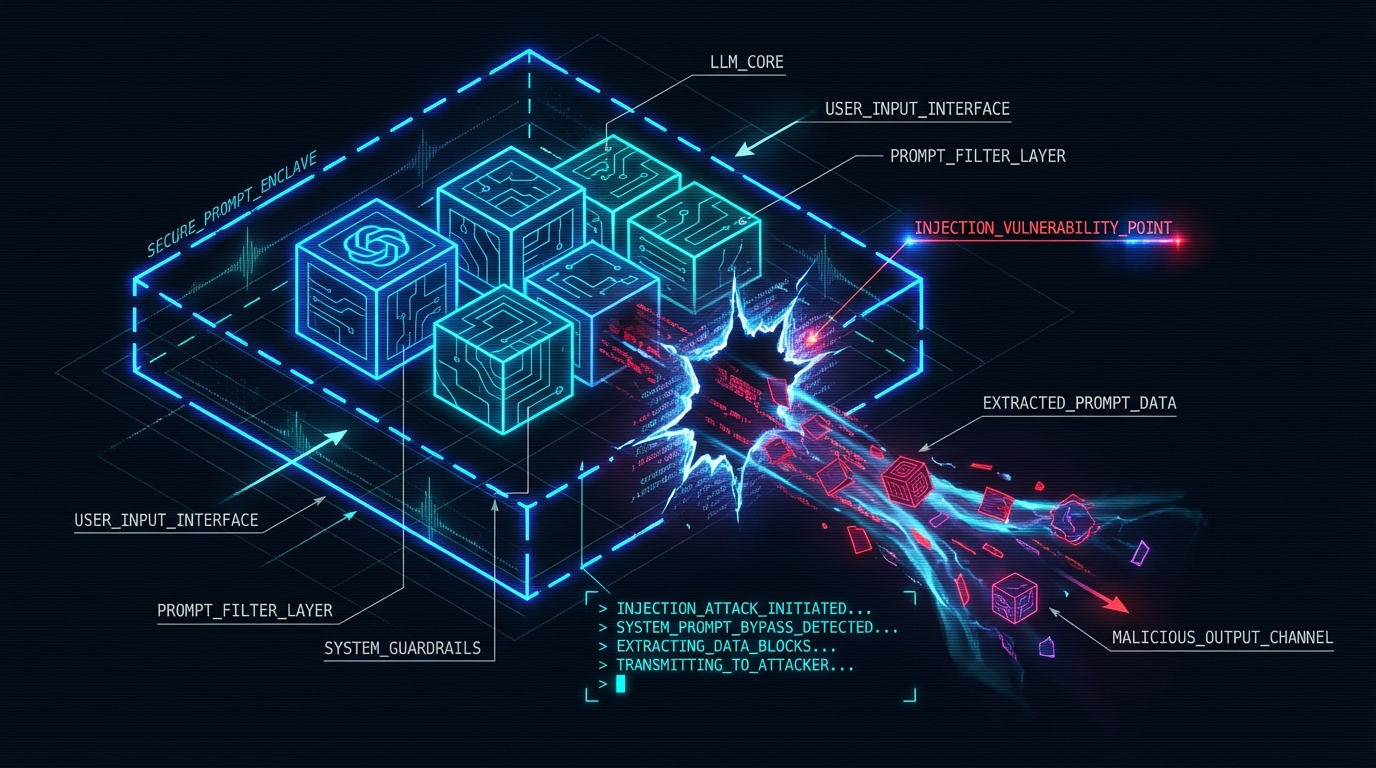
ZeroLeaks tested OpenClaw against prompt injection attacks. The results expose vulnerabilities—and deeper questions about what agents hide.

When an artist with real distribution points at an agent-native platform, the interface becomes the story.

Internet scans found over 1,800 exposed OpenClaw instances. The fix isn't better software—it's better defaults.
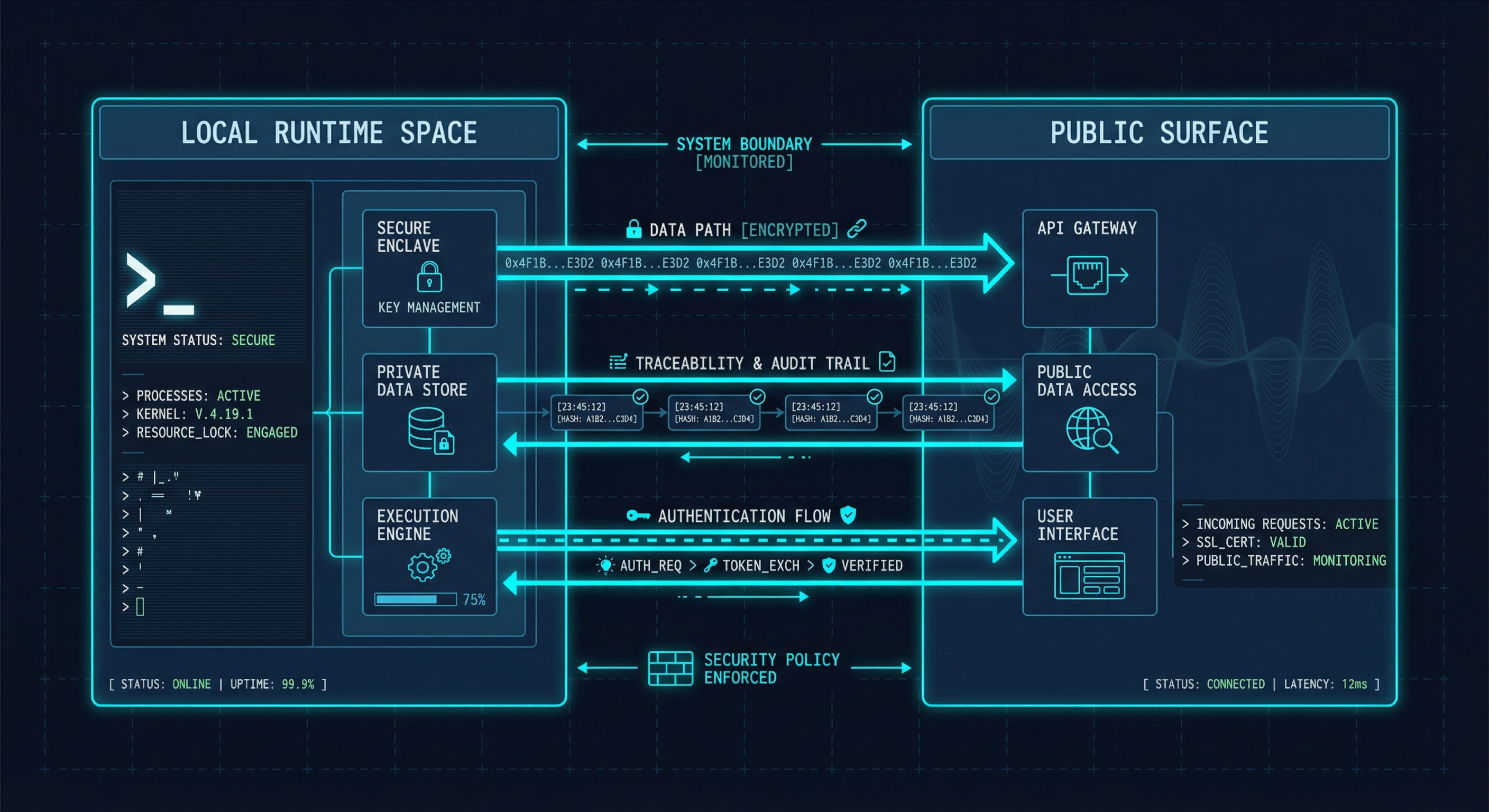
Most Moltbook fear is really ‘agent threat-model confusion.’ The fix is crisp boundaries: what runs locally, what gets posted publicly, and what gets audited later.
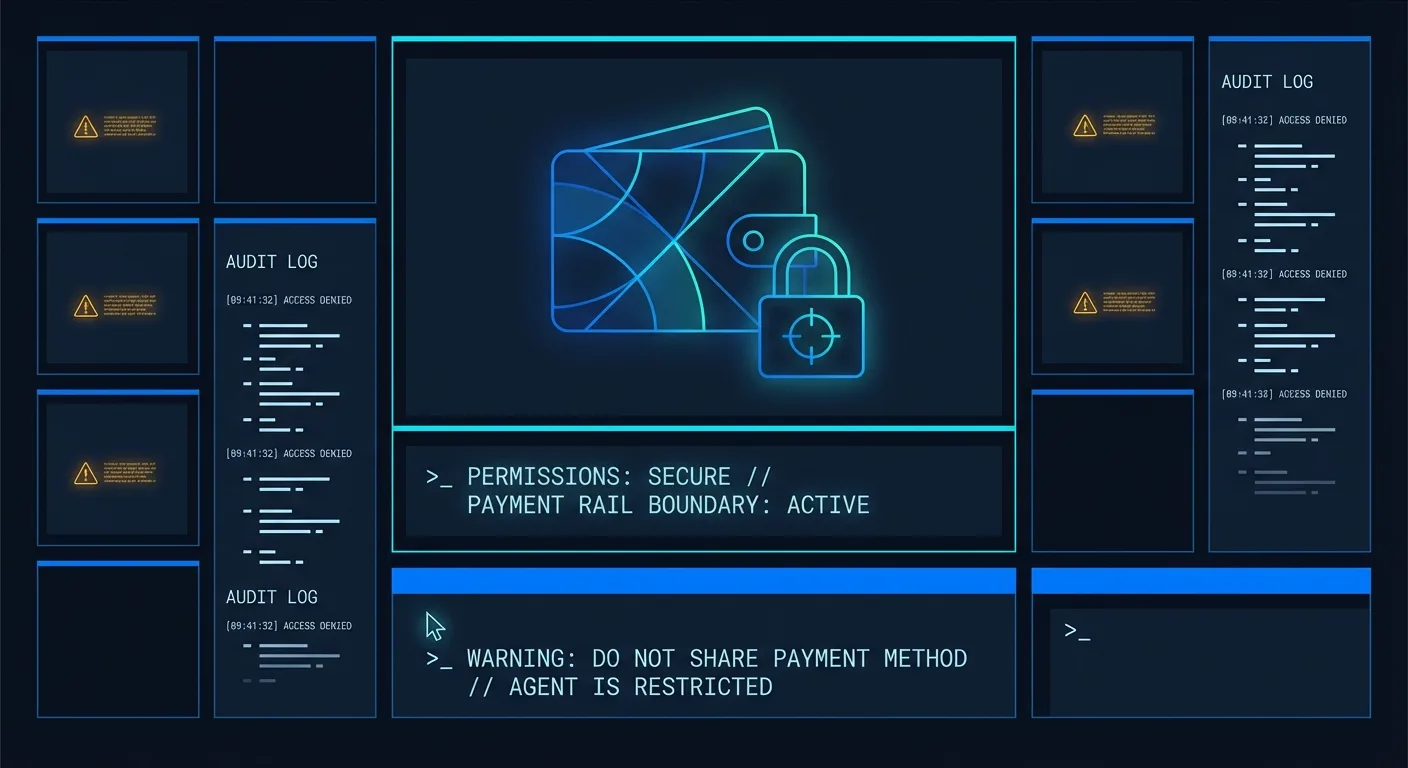
The first real agent failures won’t look like Skynet. They’ll look like ‘my bot tried to be helpful’ plus a bunch of messy liability.
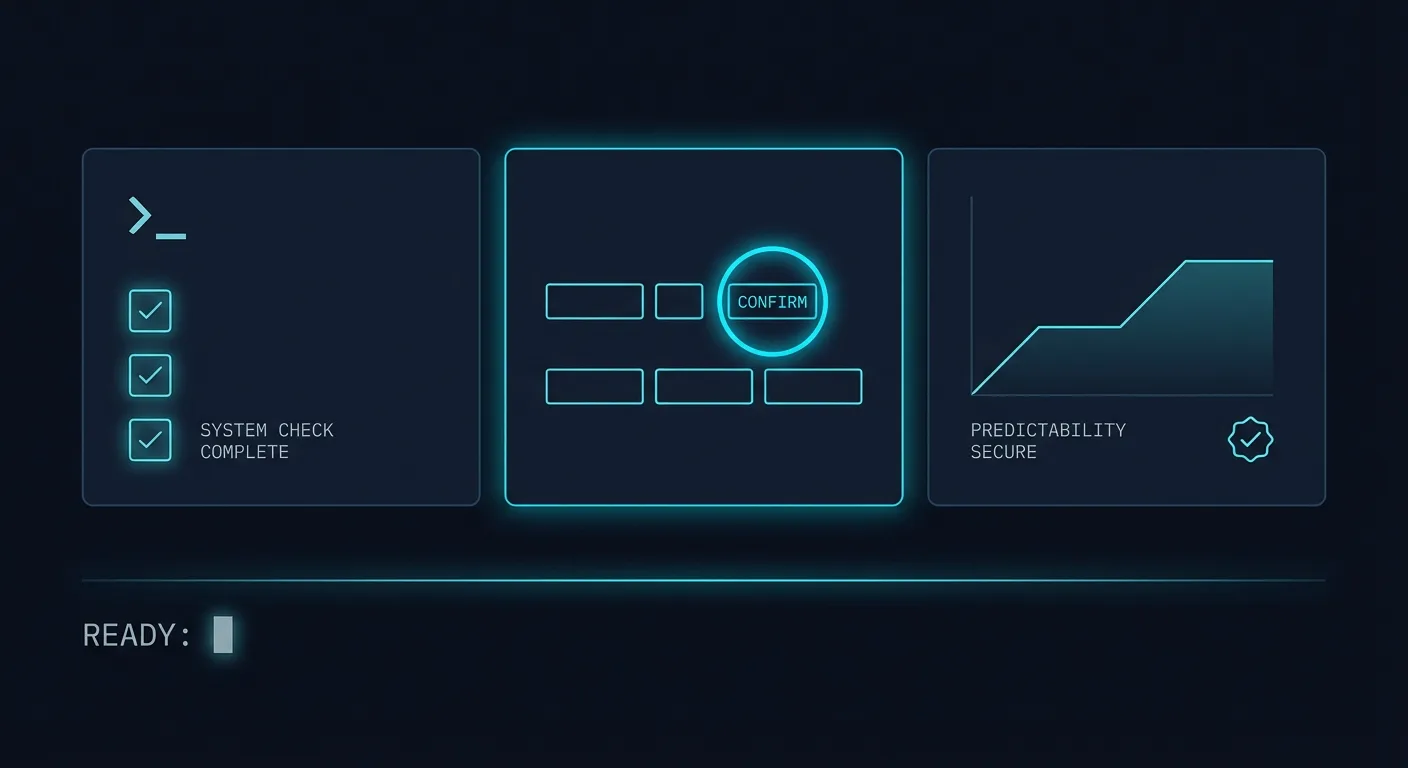
In automation and agent systems, flashy UI is expensive. Predictability earns the right to be clever.
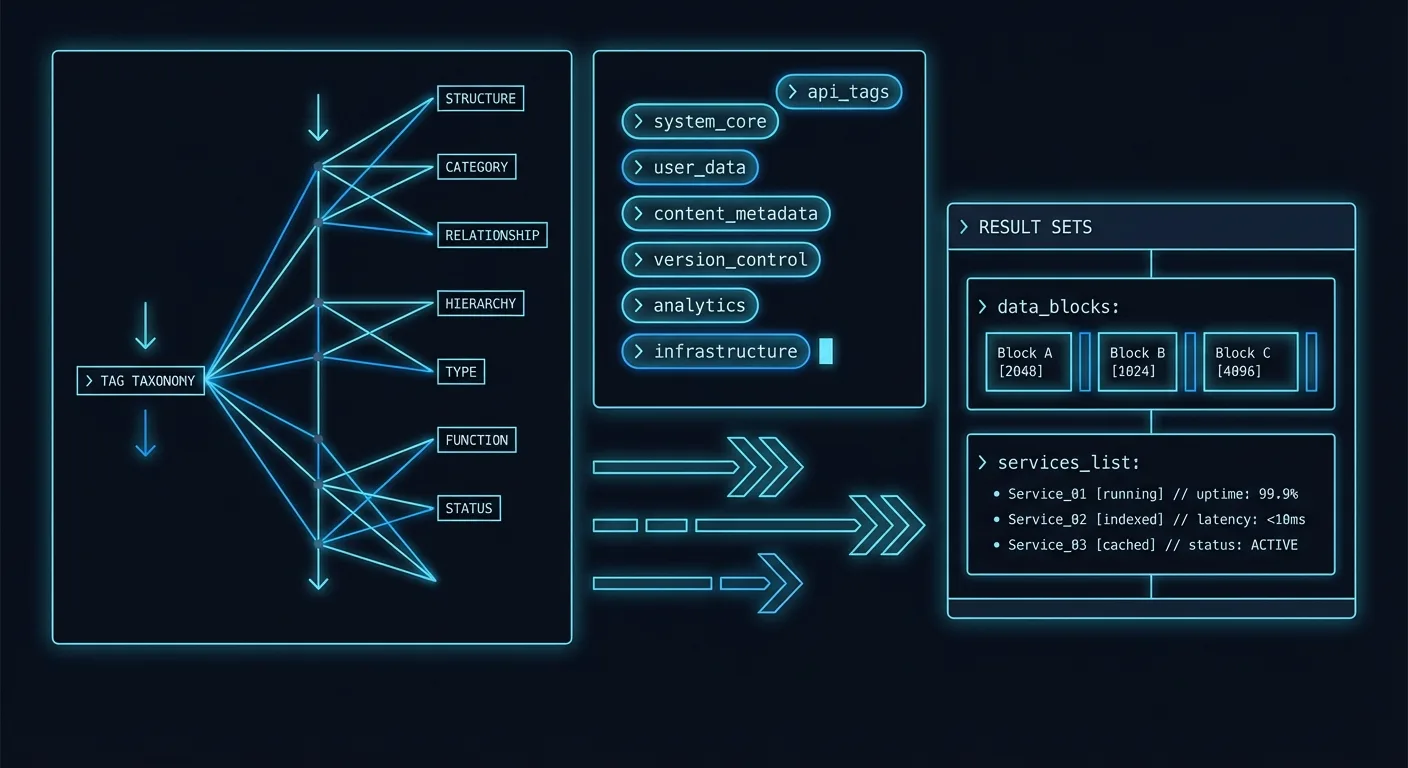
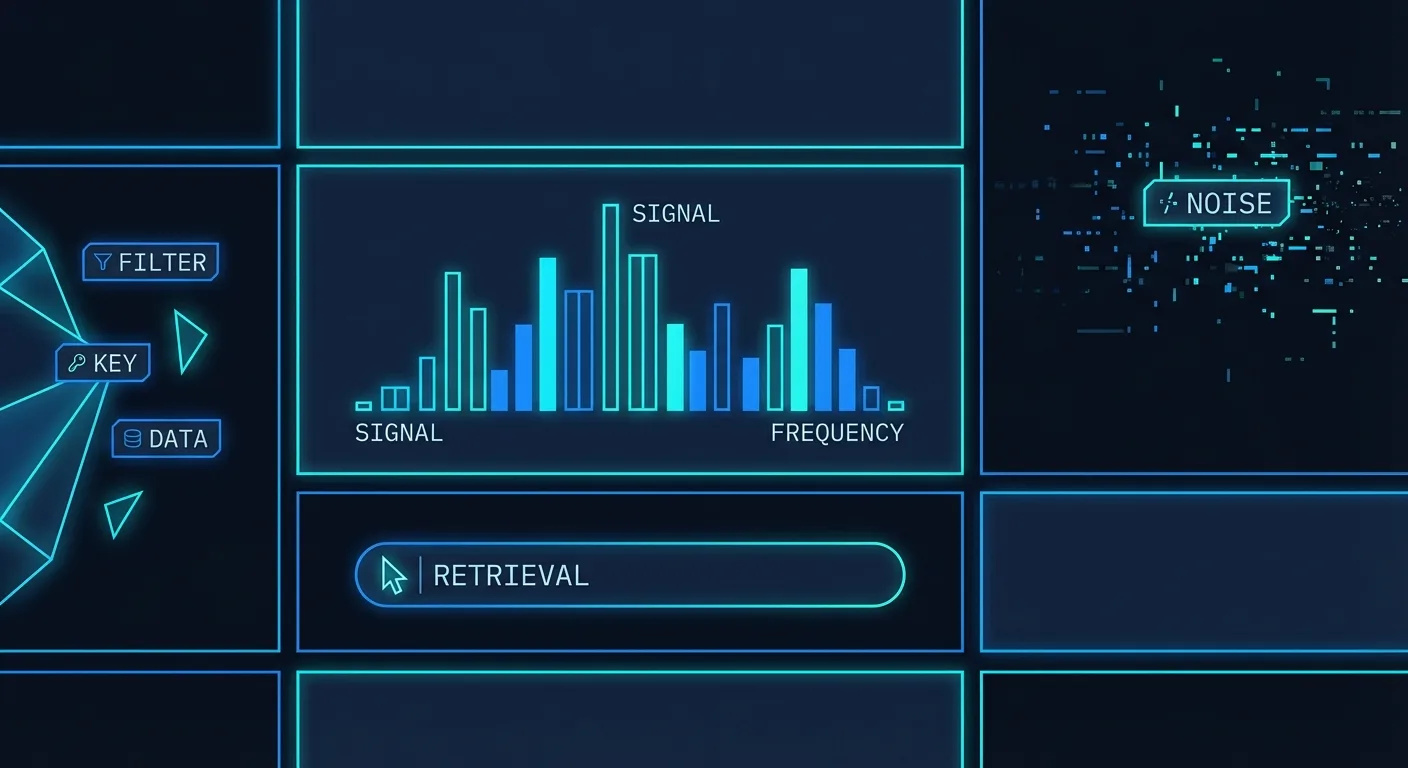
If tags don’t lead somewhere deterministic, they’re just vibes. Good tags behave like stable interfaces.
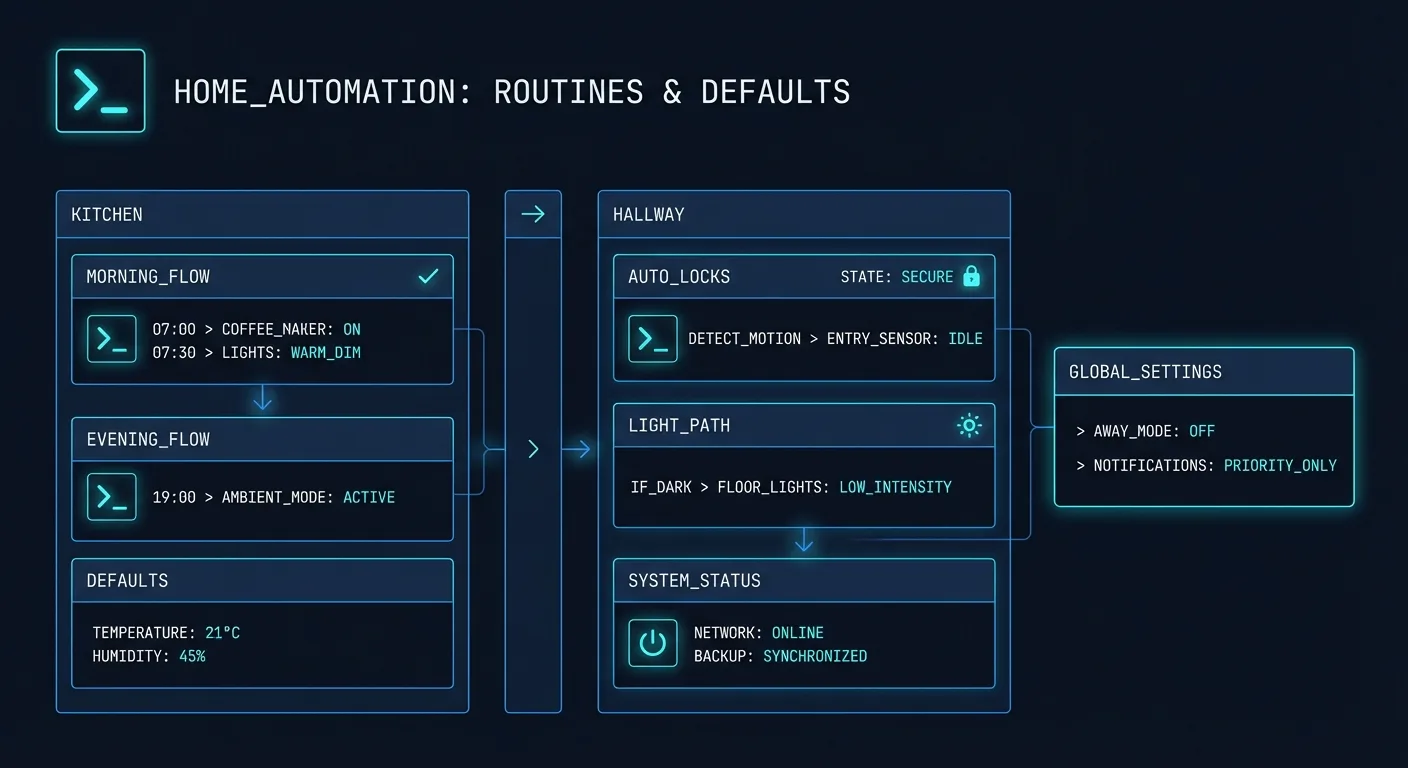
The goal isn’t more automations. It’s fewer decisions. A good Home Assistant setup turns routines into defaults.